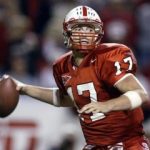
Abney II
Scouting Profile
Two missed tackles in a full season is the type of fact around which everything else about Abney’s tape makes sense. That number is not a lucky outcome; it is what happens when a corner processes plays ahead of time, arrives with his body under control, and understands that disciplined technique consistently outperforms aggression. What the Arizona State tape shows, across every phase, is a player already doing the things that reliable starting corners do at the next level, and doing most of them well.
The run game impact stands out immediately and for the right reasons. He keeps himself clean from blocks through a combination of strength, agility and sound technique, arriving in position to make plays rather than fighting through traffic to reach them. The examples build into a clear pattern: attacking the cutback lane on the first snap against Texas Tech and finishing with a form tackle on the outside leg; waiting for a jailbreak screen carrier to break back outside and playing contain rather than gambling on the inside path; reading an Ohio concept and delivering a slot hit below the sticks off film preparation alone. These are pre-meditated plays, not reactive ones, and that distinction matters more than the athleticism behind them.
His zone instincts are among the most impressive in this class. He processes route combinations quickly and acts before routes have fully declared; he is already positioned to remove throwing windows before the quarterback has identified them as available. There are multiple examples across the tape where he anticipates route distribution and repositions himself to eliminate options that were not yet open, which is a combination of film study and natural feel that does not appear in every evaluation. His hip fluidity is the physical quality that makes this possible from any alignment; he converts leverage disadvantages into playmaking positions in space without losing pace, and when he anticipates correctly the result is a play that was never going to happen.
The intelligence extends into complex look management. From the boundary side of 3×1 formations he understands route progression and spacing, working into trail positions or climbing to pick up late developing threats with timing that reflects genuine conceptual understanding. His man coverage is active and engaged; he keeps feet and hands alive through route stems, adjusts cleanly to scramble situations and closes space downfield to limit receiver freedom at the catch point. His screen patience is particularly clean; he resists the overcommitment that most corners spend years being coached out of, already playing with containment in mind and forcing carriers back outside rather than creating explosive gain opportunities.
The Ohio concept crash from a Cover 3 perch to shut down a slot out below the sticks is the kind of play coaches watch on repeat in meeting rooms. It required wide vision, anticipation and closing speed all executed in combination, and it was triggered entirely by film preparation. That is what this player already is.
Concerns & Limitations
His pad level is the primary technical area for refinement. He can play too high when engaging blocks or preparing to tackle in space, which reduces the control and power he can deliver at the point of contact. The issue is most visible when he is setting and engaging rather than pursuing; his base rises and his finishing consistency drops as a result. This is correctable with technique coaching and does not define the profile, but it is present often enough to flag.
His press alignment, taught from an outside shade at Arizona State, creates some vulnerability to quick breaking routes inside. On slants in particular he can concede early separation if he does not disrupt with greater physicality through the receiver’s upfield shoulder; the inside window is accessible and better-prepared quarterbacks will design toward it. The broader competition caveat is worth noting as well: the 2025 tape is outstanding but Arizona State’s schedule was not consistently elite, and top-end receiver validation remains the remaining box to check before projecting with full confidence. The pre-draft process and Senior Bowl will provide it.
Scheme Fit
Abney projects as a starting boundary corner whose floor is unusually high for this range of the draft. His processing ability, reading concepts ahead of the snap and positioning proactively to remove options before they open, is the trait that separates reliable starters from role players, and it is already fully operational. The tackling, the zone instincts, the man coverage activity and the screen patience are all present and consistently applied. This is not a developmental profile waiting to emerge; it is a player who is already very good at most of the things starting corners are asked to do.
The single remaining question is top-end competition validation, and the pre-draft process will answer it. Everything on the Arizona State tape suggests a player who will hold up; the processing, the fluidity and the tackling discipline are all qualities that travel regardless of competition level. If the Senior Bowl and pre-draft process confirm what the tape indicates, the first-round conversation becomes straightforward.